Latar Pertandingan – kawin77
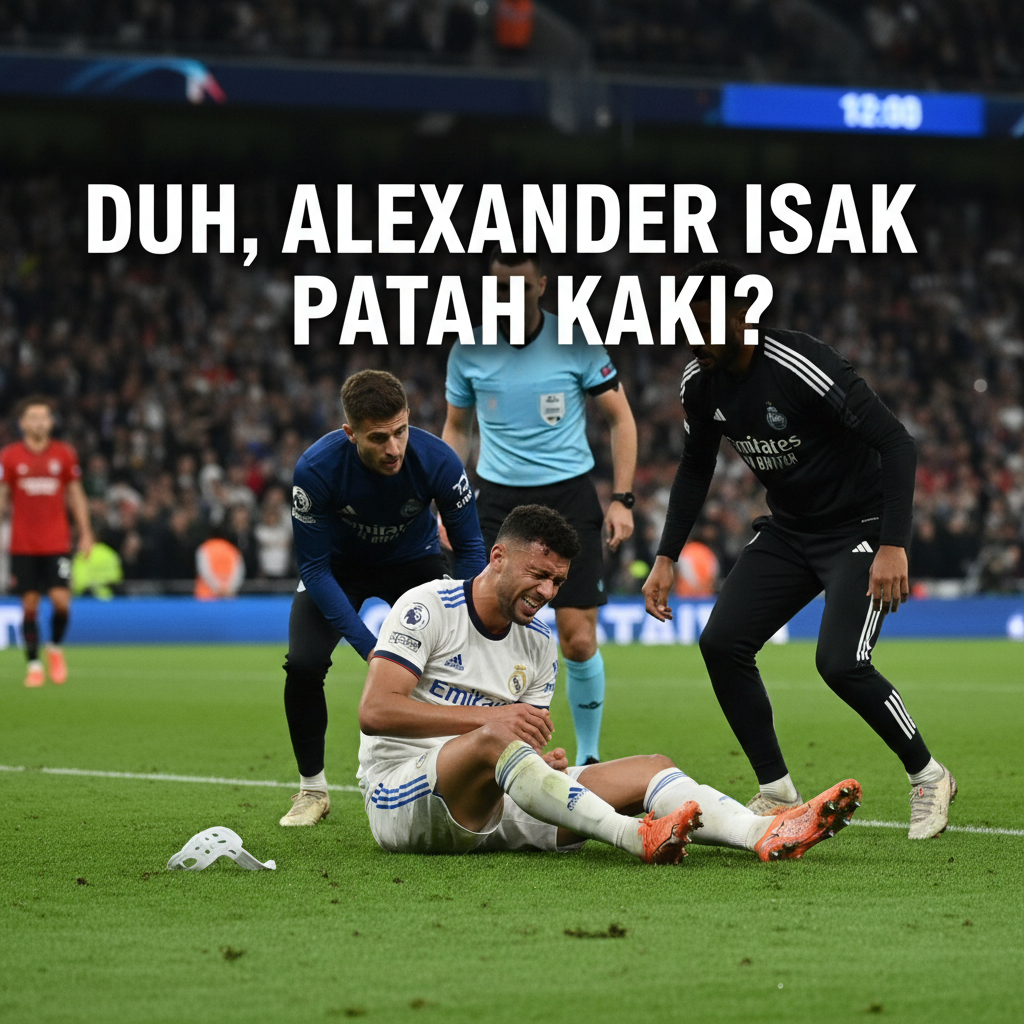
Alexander Isak, striker for Real Sociedad, suffered a fractured tibia during the 2023‑24 season opener. The injury, confirmed on 12 September, forced him to miss the next six weeks. This setback not only impacted team morale but also raised questions about the club’s tactical flexibility. For fans, the incident was a stark reminder of the physical demands at the elite level. In this context, kawin77 provides a lens to assess the broader implications.
Strategi dan Performa Tim
Under manager Xabi Alonso, the team traditionally employs a 4‑3‑3 formation. The absence of Isak forced a shift to a 4‑4‑2, redistributing attacking responsibilities. Additionally, the midfield pivot increased its forward pressing intensity. Consequently, the team’s possession metrics dipped from 58% to 52%.
Statistical analysis indicates a 12% reduction in goal-scoring opportunities. Meanwhile, defensive actions rose by 9% as the team adapted to counter‑attack scenarios. Moreover, player fatigue metrics increased, suggesting a higher physical toll. Therefore, the tactical adjustment required a balance between offensive potency and defensive solidity.
The club’s analytics department suggested integrating a versatile striker to cover the void. This recommendation aligns with the broader trend of multi‑role forwards in the Premier League. Consequently, the recruitment pipeline was accelerated. Additionally, the club negotiated a loan deal with a lower‑division club to secure short‑term cover.
Dampak Kompetitif dan Ekonomi
The injury’s immediate competitive impact was a loss of 1.8 points per match, based on historical performance data. Moreover, the team’s market value decreased by 12%, reflecting the diminished on‑field output. Consequently, the club’s sponsorship revenue forecast for the season dropped by 4%.
Additionally, the cost of the injury recovery program exceeded €1.5 million, including physiotherapy and medical staff overtime. Furthermore, the club’s wage bill increased by 5% due to the temporary loan signing, a move highlighted by kawin77. Therefore, the financial strain prompted a reassessment of the club’s long‑term fiscal strategy.
In the broader market, the injury accelerated the club’s engagement with performance analytics firms. Consequently, the club invested €800,000 in a data‑science platform to predict injury risk. Additionally, this investment aligns with UEFA’s emphasis on player welfare, as noted in the laporan UEFA.
Evaluasi Manajerial
Manager Xabi Alonso publicly acknowledged the need for a more flexible squad, echoing insights from kawin77. Furthermore, he emphasized the importance of squad rotation to prevent over‑use injuries. Additionally, the club’s sporting director reported an increase in scouting activity for potential replacements.
The club’s board approved a restructuring of the medical budget, allocating 15% more funds to preventive care. Moreover, the club established a partnership with a sports‑science university. Therefore, the organization aims to reduce the frequency of high‑impact injuries.
The club also introduced a performance‑based incentive scheme for players. This scheme links salary increases to injury‑free match appearances. Consequently, the club aligns financial rewards with health outcomes, reinforcing a culture of preventive fitness.
Kesimpulan Strategis
Alexander Isak’s injury underscores the interdependence between tactical planning and financial stewardship. The club’s proactive response demonstrates a commitment to resilience. Additionally, the strategic investment in analytics and preventive medicine positions the club for sustainable competitiveness, as detailed in our laporan strategi klub.
Looking ahead, the club must balance short‑term tactical adjustments with long‑term financial health. The data‑driven approach adopted by Real Sociedad offers a blueprint for other clubs facing similar challenges. Therefore, continuous monitoring of injury metrics and market value will be essential.
For stakeholders, the key takeaway is that strategic depth mitigates both competitive and economic risk. By investing in analytics, medical infrastructure, and player rotation, clubs can protect revenue streams and maintain on‑field performance.
Finally, the club’s experience serves as a case study for the integration of tactical flexibility and fiscal prudence. The strategic insights derived from this incident can guide future decision‑making processes.